Logistics Pulse


This week's top news in trucking and logistics
Strong import volumes are testing the systems that move freight inland. U.S. container imports reached one of their highest monthly levels on record, while rail delays and elevated shipping costs continue to complicate planning. This week’s stories show why stronger visibility and earlier signals matter as shippers manage a busy, unpredictable market.
Top articles this week:

Beyond the Terminal Scan: Introducing AI-Powered Predictive LTL Tracking
Carrier scans can take hours to reflect an LTL shipment’s latest movement. Mothership’s new AI-powered predictive middle-mile tracking estimates where your freight is, the route ahead, and when it will arrive. On eligible shipments, you’ll see the predicted route and expected position directly on the tracking map, along with alerts for potential delays. The feature is currently available on select XPO and Forward Air shipments, with more carriers to be added soon.
How could earlier visibility into potential LTL delays help your team plan more effectively?
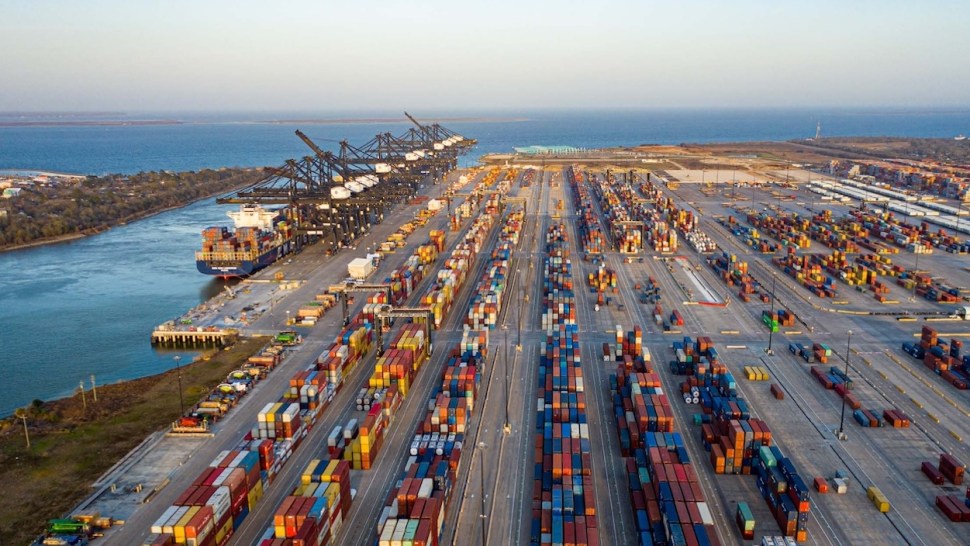
U.S. container imports climb 3.8% to 2.6 million TEUs, 3rd highest monthly level
U.S. container imports rose 3.8% in August to 2.6 million TEUs, the third-highest monthly level on record. Eight of the 10 largest gateways reported gains, signaling resilient late-summer demand. However, transit delays increased across all 10 as higher volumes added pressure to port operations. The combination points to strong freight activity alongside growing reliability challenges.
How much flexibility does your supply chain have when rail delays increase?

Container shipping fuel prices remain elevated as supply fears ease
Marine fuel supplies are improving at major bunkering hubs, but prices remain historically high after rising sharply earlier this year. Fuel prices are a major component of vessel operating costs and can influence ocean freight pricing over time. The market has stabilized from its most severe supply concerns, though conditions around key shipping routes remain uncertain. For shippers, the trend reinforces the importance of monitoring transportation costs even as immediate supply pressure eases.
How is your team accounting for fuel-price volatility in its transportation planning?
Watch this week's top stories
Subscribe to our YouTube channel for weekly freight and logistics insights.
.png)
In Other News:
Container delays by rail increase at busiest U.S. ports
Rail container dwell increased at Los Angeles–Long Beach in August, while truck-bound dwell improved.
Macy’s rolls out AI inventory replenishment tool
Macy’s is expanding an AI forecasting tool designed to improve in-stock levels and inventory efficiency.
Read more on Supply Chain Dive
Houthi gains deepen risk as carriers restore Red Sea services
Carriers are restoring capacity through the Red Sea and Suez Canal, shortening transit times but increasing exposure to renewed disruption.
Almost 1 million TEUs in new record for this U.S. container gateway
Long Beach handled nearly 920,000 TEUs in August, setting a monthly record as imports and exports increased.
Savannah port moves 1 million TEUs to start fiscal year
Savannah moved more than 1 million TEUs despite weather disruptions and tighter Panama Canal capacity.
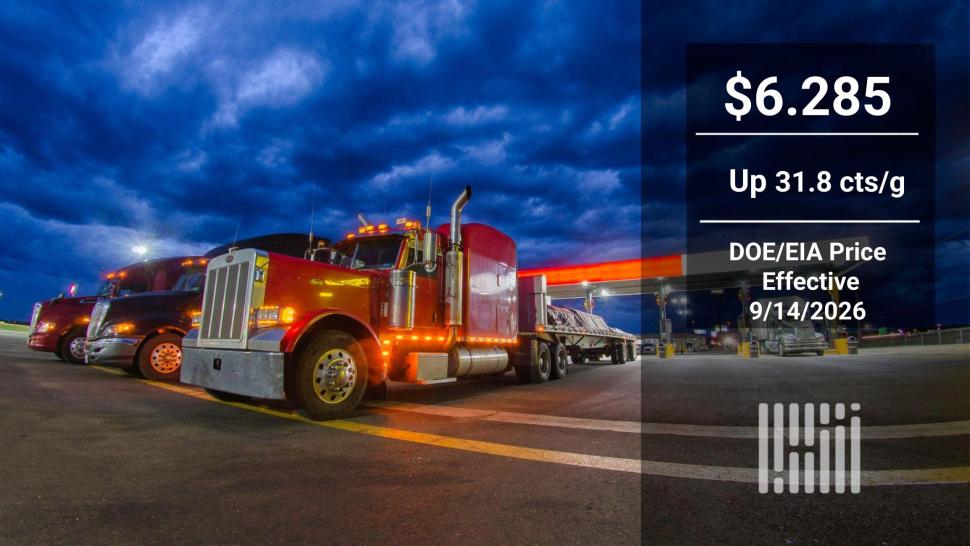
Update: DOE/EIA diesel at record; so is futures price