Logistics Pulse
National FTL Now Available & Ocean Freight Trends

This week's top news in trucking and logistics
Freight markets continue to evolve as supply chains respond to changing demand, shifting trade policy, and geopolitical developments. From rising ocean freight demand and changing global shipping routes to new nationwide FTL options, businesses are adapting to an increasingly dynamic transportation landscape.
Top articles this week:
Mothership launches National Full Truckload (FTL)
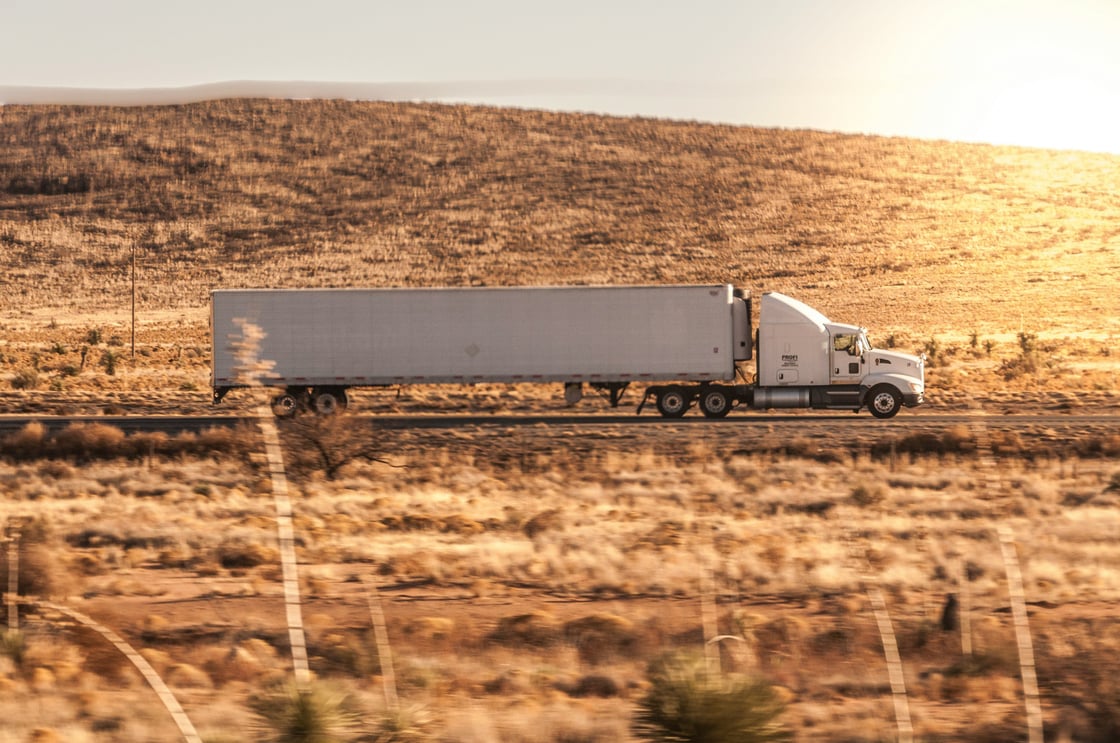
You can now book full truckload (FTL) shipments through Mothership, anywhere in the continental U.S. Through our partnership with Echo Global Logistics, you gain access to their trusted nationwide carrier network at competitive rates, directly in the Mothership dashboard. Use the same familiar booking workflow to quote, book, and track FTL shipments, while Echo's carrier network fulfills each load. Dry van service is available now, with additional equipment types and carrier partners coming soon. With the addition of FTL, you can now book all your national freight with Mothership.
How are you thinking about simplifying freight management across your operations?
Transpacific ocean rates fueled by early peak, frontloading
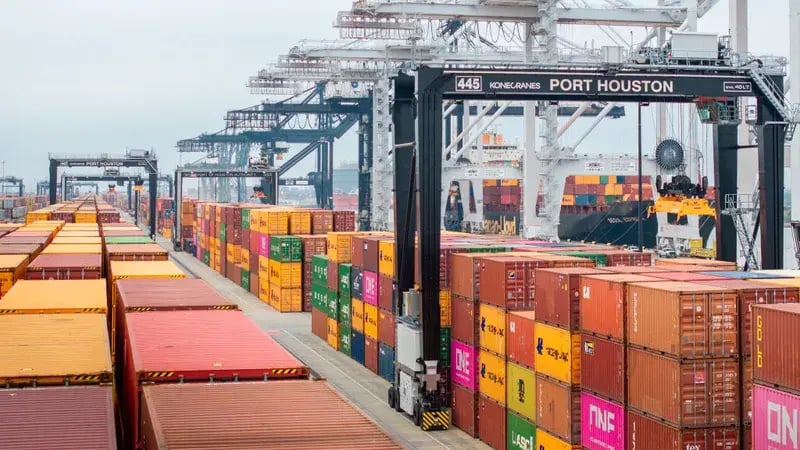
Transpacific container rates are climbing as importers accelerate shipments ahead of potential tariff changes and ongoing trade uncertainty. Strong demand has tightened vessel capacity, pushing spot rates higher across major Asia-to-U.S. trade lanes. While the surge reflects companies moving inventory earlier than usual, analysts expect volumes could moderate once this wave of frontloaded imports passes. For shippers, the coming months may require balancing transportation costs with inventory planning.
How is your team preparing for a potentially tighter ocean freight market this peak season?
Read more on Supply Chain Dive
A peace deal in the Persian Gulf could signal a return of global shipping to the Suez Canal
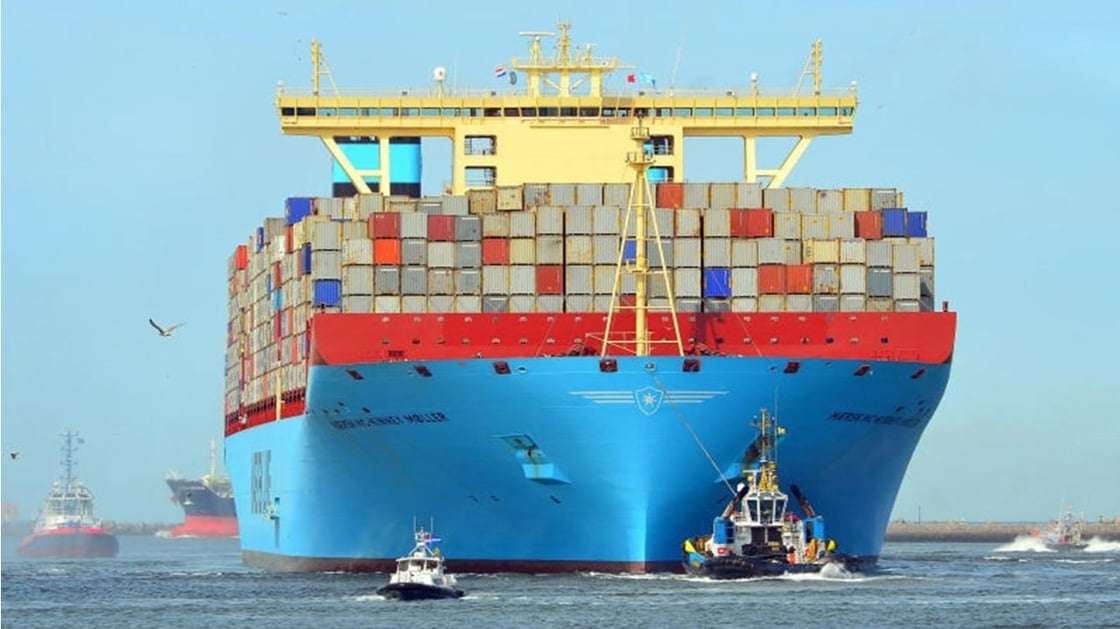
A potential peace agreement in the Persian Gulf is raising hopes that more ocean carriers could gradually return to the Suez Canal after months of rerouting vessels around southern Africa. A return to the canal could shorten transit times, improve vessel availability, and reduce shipping costs on key global trade lanes. While most carriers are expected to move cautiously, the development could help improve network efficiency if security conditions continue to stabilize.
How would shorter transit times or increased vessel capacity influence your supply chain strategy?
In Other News:
USMCA: Retail, manufacturing and apparel groups call for preservation
Retail, manufacturing, and apparel groups are urging policymakers to preserve the USMCA trade agreement to support North American supply chains.
Read more on Supply Chain Dive
Nike expects nearly $1B in IEEPA tariff refunds
Nike expects nearly $1 billion in tariff refunds, underscoring the growing financial impact of evolving U.S. trade policy.
Read more on Supply Chain Dive
Container rates near $9,000 as Iran war flares
Container rates continue climbing as Middle East tensions add pressure to global ocean freight markets.
Walmart cuts prices on groceries and other goods
Walmart is widening price cuts across grocery and seasonal items as retailers compete for consumer spending.
Apple turns to Broadcom for custom chips
Apple is partnering with Broadcom to develop custom server chips for its growing AI infrastructure.
Read more on Supply Chain Dive