Logistics Pulse
Supply Chain Resilience, Tariff Refunds & Global Freight

This week's top news in trucking and logistics
This week’s freight and logistics headlines highlight how quickly supply chain conditions can shift. From tariff refund activity and geopolitical shipping risk to retailers reworking inbound operations, shippers are placing greater focus on visibility, flexibility, and network stability heading into the second half of the year.
Top articles this week:
Supply chain resiliency increasingly trumps cost in perma-crisis era
After years of disruption across global supply chains, more companies are prioritizing resiliency and operational flexibility alongside efficiency. Businesses are diversifying suppliers, reevaluating inventory strategies, and building more contingency planning into their networks as geopolitical and trade uncertainty continues. The shift reflects a broader recognition that stability and visibility are becoming critical parts of supply chain strategy.
How resilient is your network if a key supplier, port, or lane suddenly faces disruption?
Read more on Supply Chain Dive

CBP raises accepted tariff refunds to $85B
U.S. Customs and Border Protection is now tracking roughly $85 billion in potential and certified tariff refunds tied to invalidated duties. While billions have already been approved for repayment, the process remains highly documentation-driven, with some claims still failing validation due to filing inconsistencies. For importers, the development highlights how closely trade compliance and financial planning are now tied together.
Do you have the systems and documentation in place to quickly identify and recover eligible refunds?
Read more on Supply Chain Dive

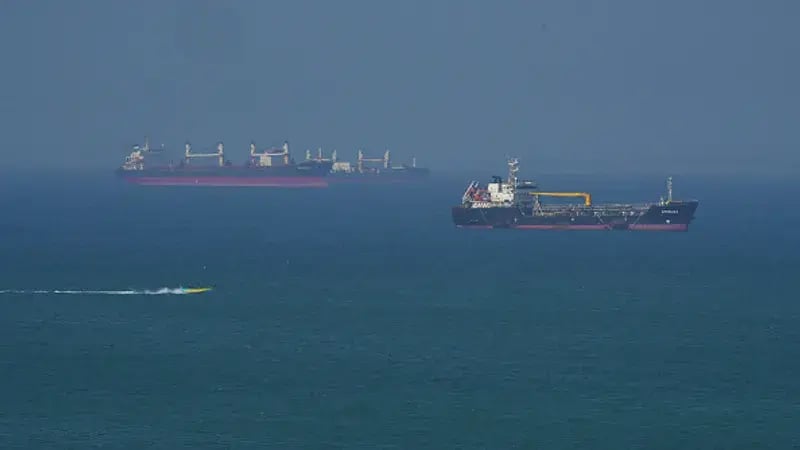
Oil and LNG tankers exit Hormuz, heading for Pakistan and China
Several oil and LNG vessels recently resumed movement through the Strait of Hormuz following heightened regional tensions involving Iran. Because the waterway handles a major share of global energy shipments, even temporary disruptions can quickly affect fuel markets and transportation conditions worldwide. For shippers, the situation is another reminder of how geopolitical events can ripple across global freight networks.
How exposed is your network to sudden shifts in global shipping and energy markets?
Watch this week's top stories ▶️
Subscribe to our YouTube channel for weekly freight and logistics insights.

In Other News:
Walmart rolling out simplified inbound logistics for suppliers
Walmart is rolling out a new program designed to simplify inbound logistics and improve transportation efficiency for suppliers.
Target touts improved inventory turns in Q1
Target reported stronger inventory turns year over year as it continues optimizing inventory flow across its network.
Read more on Supply Chain Dive
How do AI, software fit into warehouse robotics?
Companies investing in warehouse automation are placing greater focus on the software coordinating robotic operations.
Read more on Supply Chain Dive
House committee OKs transportation bill that cuts wide swath across trucking
A House committee approved a transportation bill with several trucking-related provisions, including truck parking measures.
Supreme Court rejects Florida lawsuit over immigrant truck driver CDLs
The U.S. Supreme Court rejected Florida’s lawsuit over commercial driver’s licenses issued to immigrant truck drivers in other states.