

Logistics Pulse—Hormuz Uncertainty, New Tariff Threats, and Faster Support
Welcome to Logistics Pulse
This week’s top news in trucking and logistics
Global instability is still reshaping supply chains, with Hormuz shipping uncertainty and new tariff threats adding fresh pressure to routing and sourcing decisions. At the same time, shippers are increasingly focused on building faster, smarter internal systems to respond when disruption hits. This week highlights both sides of that equation: rising external risk, and the growing importance of tools that help teams act with speed and clarity.
Top articles this week
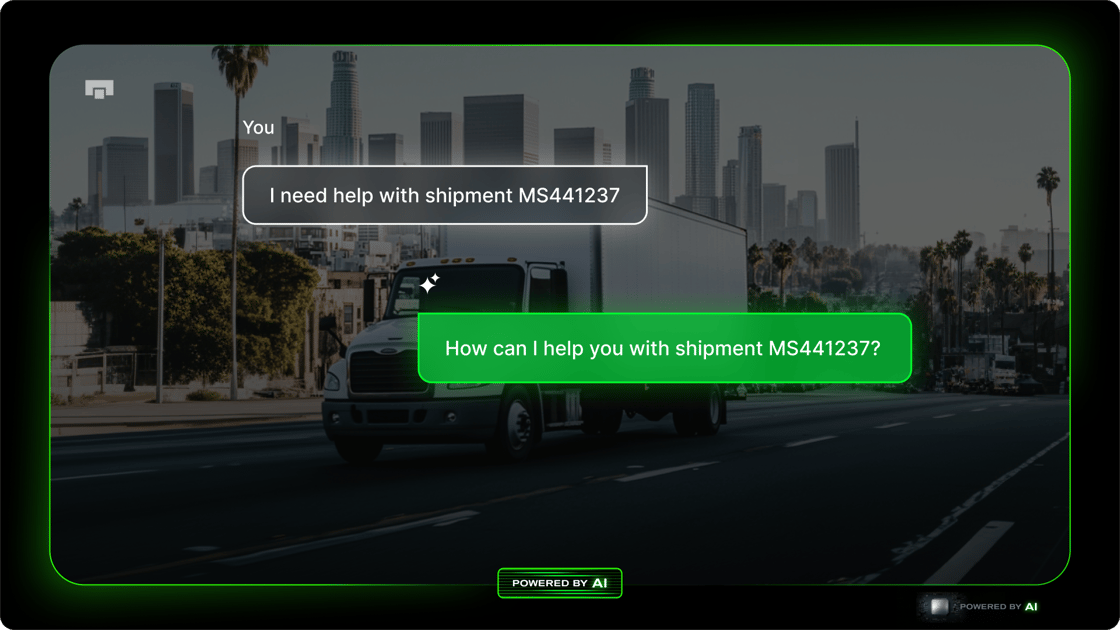
Introducing a New Support Chat Experience: Faster Help, Full Context
Mothership has launched a new support chat experience in the dashboard, designed to make getting help faster and more seamless. Instead of starting every conversation from scratch, chats are now automatically tied to the shipment being viewed, so support begins with full context from the start. Conversations are shared across your team, giving everyone visibility into what has already been discussed and what still needs action. Each thread includes AI-generated summaries, making it easier to catch up quickly on longer conversations, while shipment-specific history stays accessible across tracking, invoices, and rebills in one place. By embedding support directly into shipment workflows, the new experience reduces back-and-forth and helps resolve issues faster when time matters most.
How much faster could your team resolve issues if every shipment conversation started with full context?
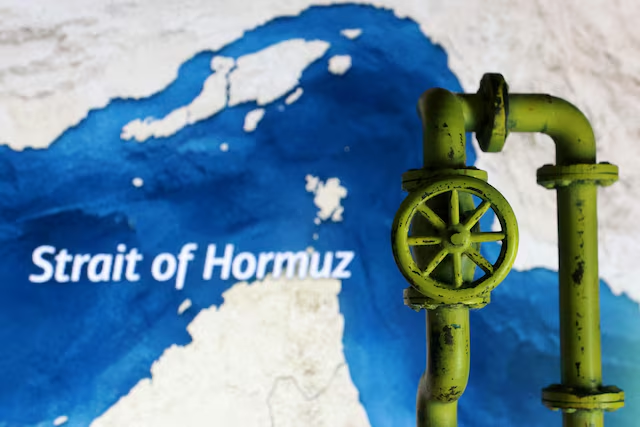
Shippers seek clarity on Hormuz passage as Iran issues fresh warnings
The Strait of Hormuz is reopening after the U.S.-Iran ceasefire, but carriers are still moving cautiously as they assess whether transit conditions are truly stable. Because roughly 20% of global oil and LNG flows through this corridor, even partial disruption can quickly affect fuel markets, vessel schedules, and freight reliability worldwide. Some ships have resumed passage, but many operators remain hesitant, signaling that reliability, not just access, is still a concern. For shippers, that means immediate crisis pressure has eased, but routing and transportation cost volatility remain high.
If a key shipping lane is open but still unpredictable, how flexible is your routing strategy?

Trump calls for 50% tariff on goods from nations arming Iran
A proposed new U.S. tariff on countries supplying Iran could become a major sourcing challenge for importers if enacted. The measure would impose tariffs of up to 50% on affected countries, potentially raising landed costs across multiple supply chains. While implementation details remain unclear, the proposal is already creating uncertainty for shippers evaluating supplier exposure and pricing risk. In a year already shaped by geopolitical disruption, tariff unpredictability is once again becoming a strategic planning issue.
How exposed is your supply chain to sudden policy changes outside your control?
Read more on Supply Chain Dive
Watch this week's top stories ▶️
Subscribe to our YouTube channel for weekly freight and logistics insights.


In Other News
New tolls could add $1 a barrel to Hormuz oil
Proposed new tolls on ships transiting Hormuz could add roughly $1 per barrel to oil costs, creating fresh upward pressure on diesel and transportation expenses even if shipping lanes remain open.
Brent crude oil prices drop amid Iran war ceasefire
Oil prices dropped after ceasefire news reduced immediate market fears, offering short-term fuel relief—but volatility remains high as traders watch whether regional stability holds.
APM Terminals wraps up $73M rail expansion at Port of Los Angeles
A $73 million rail expansion at the Port of Los Angeles is now complete, increasing inland cargo throughput capacity and potentially improving freight velocity for importers moving goods beyond the port.
Grain, crude lead rail freight surge
Rail freight volumes are climbing as grain and crude shipments increase, a trend that could tighten rail capacity and create competition for shippers relying on inland intermodal movement.
Walmart to close Illinois fulfillment center
Walmart is laying off workers at an Illinois fulfillment center as it reshapes its distribution network, reflecting the continued evolution of warehouse automation and retail logistics strategy.
Read more on Supply Chain Dive
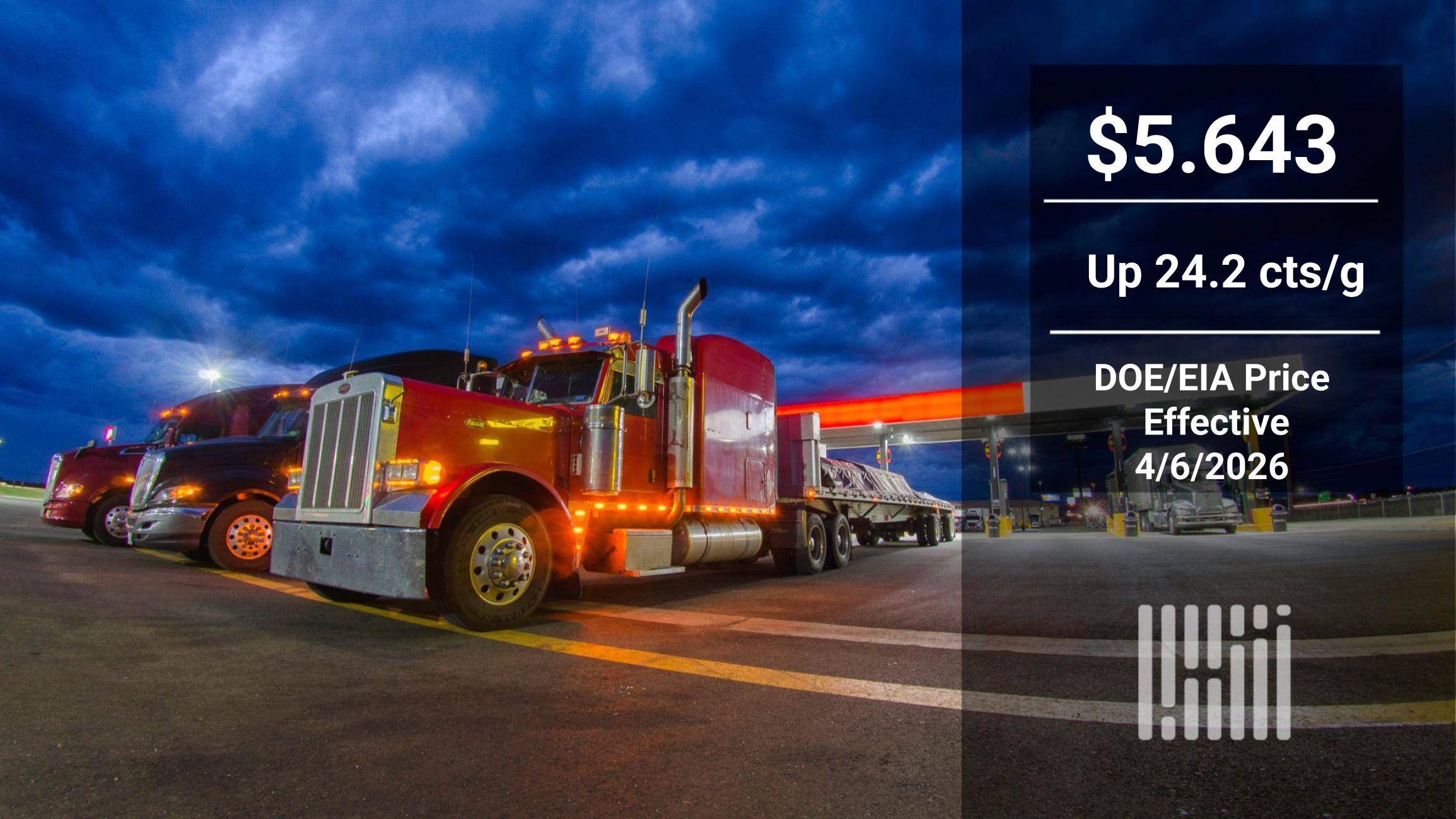
Latest DOE/EIA diesel benchmark price increase adds almost 25 cts