

Logistics Pulse Newsletter— Mothership National LTL Expands, Tariff Pressure Builds, and Ocean Rates Rise
Welcome to Logistics Pulse
This week’s top news in trucking and logistics
Mothership National LTL expands again, tariff conversations are shifting, ocean rates are climbing, and port infrastructure is improving. For shippers, the landscape remains dynamic: pricing pressure is returning on key trade lanes, policy decisions are creating new risks, and added connectivity between major freight hubs may unlock new routing advantages. Staying agile, informed, and ready to adjust network strategy will be a competitive edge this quarter.
Top articles this week
.jpeg)
🚛 Mothership National LTL Expands Again — Now Offering Return Lanes to Southern California
Mothership National LTL is expanding again — now offering return lanes from Chicago and Dallas back to Southern California. These additions strengthen the network between three of the nation’s busiest logistics hubs, reducing handoffs and improving transit reliability. By leveraging fewer terminal stops and integrating technology-enabled visibility, the launch is designed to lower damage and loss risk and speed up LTL deliveries. For shippers operating between the Midwest/Dallas and SoCal, this means access to a streamlined path into a major import and distribution region.
If you ship LTL between these regions, have you evaluated how these lanes could help you ship faster and reduce handling risk?
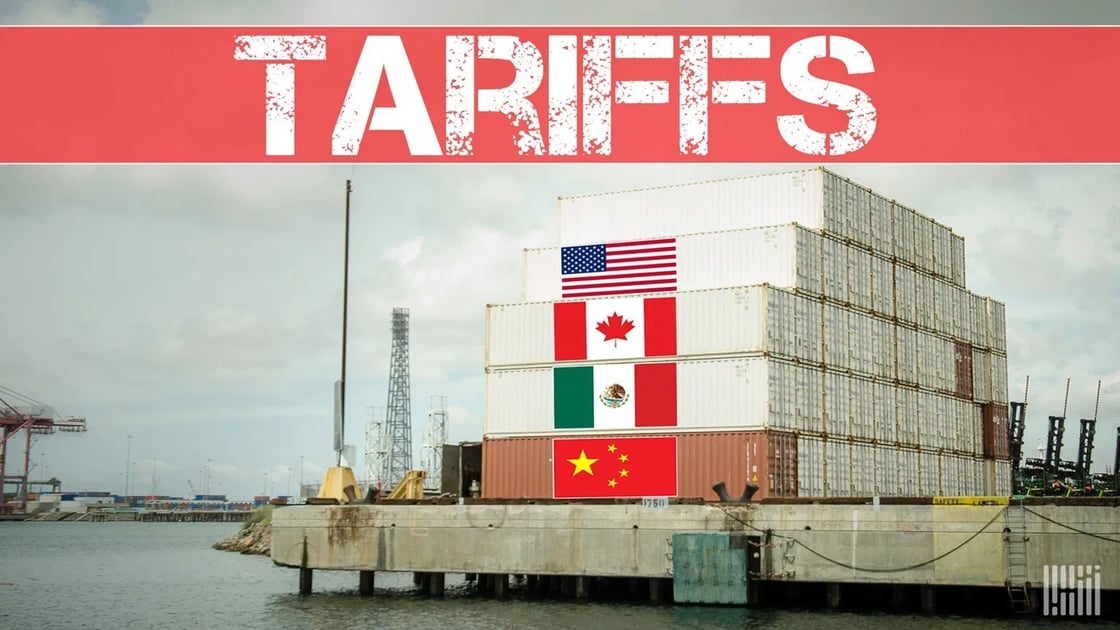
US, China reach trade framework as Trump threatens 10% tariff on Canada
The U.S. and China signaled progress through a new trade framework that may ease friction on some categories of goods. At the same time, the U.S. publicly floated a 10% tariff on Canadian imports, creating uncertainty across North American sourcing strategies. Even the discussion alone can cause suppliers to adjust pricing, lead times, and routing decisions. Logistics teams may face pressure to model alternative lanes or diversify vendors.
If new tariffs are added quickly, do you know how that would affect your shipping plans?
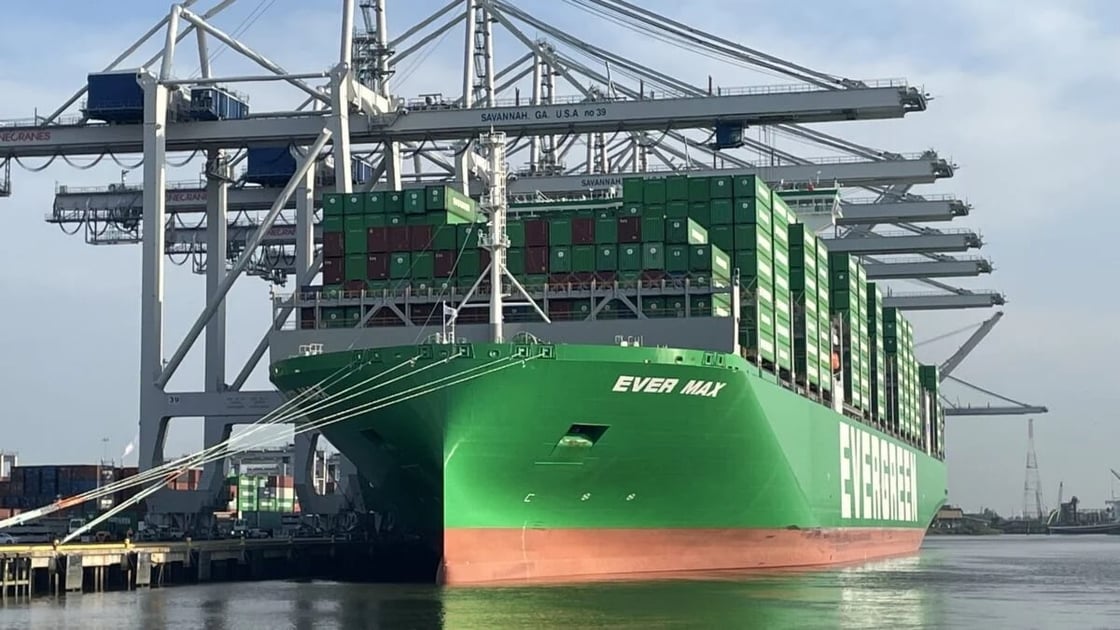
Ocean rates higher by double-digits as U.S. makes Asia trade progress
Container rates on key Asia-to-U.S. lanes jumped between 15% and 20% last week, driven by stronger demand, vessel utilization, and renewed progress in trade discussions. Analysts warn that capacity could tighten as carriers rebalance schedules and prioritize higher-yield routes. This uptick may push some importers to re-evaluate order timing heading into peak season. Shippers moving SKU-dense and time-sensitive freight should watch for longer transit windows and volatility in the spot market.
If ocean carrier rates continue to increase across the market, do you have a plan to manage higher costs from overseas suppliers?
In Other News
US Senate passes bill to terminate Trump tariffs against Brazil
The U.S. Senate has passed legislation to terminate certain Trump-era tariffs on Brazilian imports, potentially opening up cost relief in commodities and industrial segments.
Tariffs to raise costs, delay oil and gas projects in 2026, report says
A new report finds that tariffs are raising costs and delaying oil & gas infrastructure projects — meaning industrial logistics flows face stretched timelines and higher capital cost.
US nears trade pact with South Korea
The U.S.–South Korea trade deal is under pressure: tariff discussions are resurfacing, which could affect semiconductor and EV supply-chains heavily reliant on that corridor.
Read more on Supply Chain Dive
What the Louvre heist teaches us about freight fraud and cargo theft
A recent museum heist underscores how simple tools and weak surveillance enable high-value theft — a pattern increasingly seen in freight fraud.
Port Houston completes ship channel dredging amid environmental scrutiny
Port Houston finished a key ship-channel dredging phase to boost vessel flow, though environmental concerns remain.

Retail diesel price takes biggest one-week rise since June