Logistics Pulse
Trade Shifts, Canal Uncertainty, and a $20B U.S. Expansion

This week's top news in trucking and logistics
Global supply chains are entering another wave of policy-driven change. Trade deals are shifting tariff math, geopolitical tensions are surfacing at key freight chokepoints, and major manufacturers are expanding U.S. production. The result: freight flows in 2026 will be shaped as much by policy and infrastructure control as by demand. For shippers, staying ahead means watching the macro forces quietly redrawing the logistics map.
Top articles this week:

US, India reach deal to lower tariffs, Trump says
A new U.S.–India trade agreement would lower U.S. tariffs on Indian goods to 18% while reducing Indian tariffs on American exports, though the final legal framework is still pending. If implemented as described, the deal could reduce landed costs across multiple categories and make India a more attractive sourcing alternative. It may also strengthen U.S. exports in energy, agriculture, and tech. The uncertainty now lies in timing and rules-of-origin details that determine who truly benefits.
How would cheaper imports from India influence your sourcing plans?
Read more on Supply Chain Dive
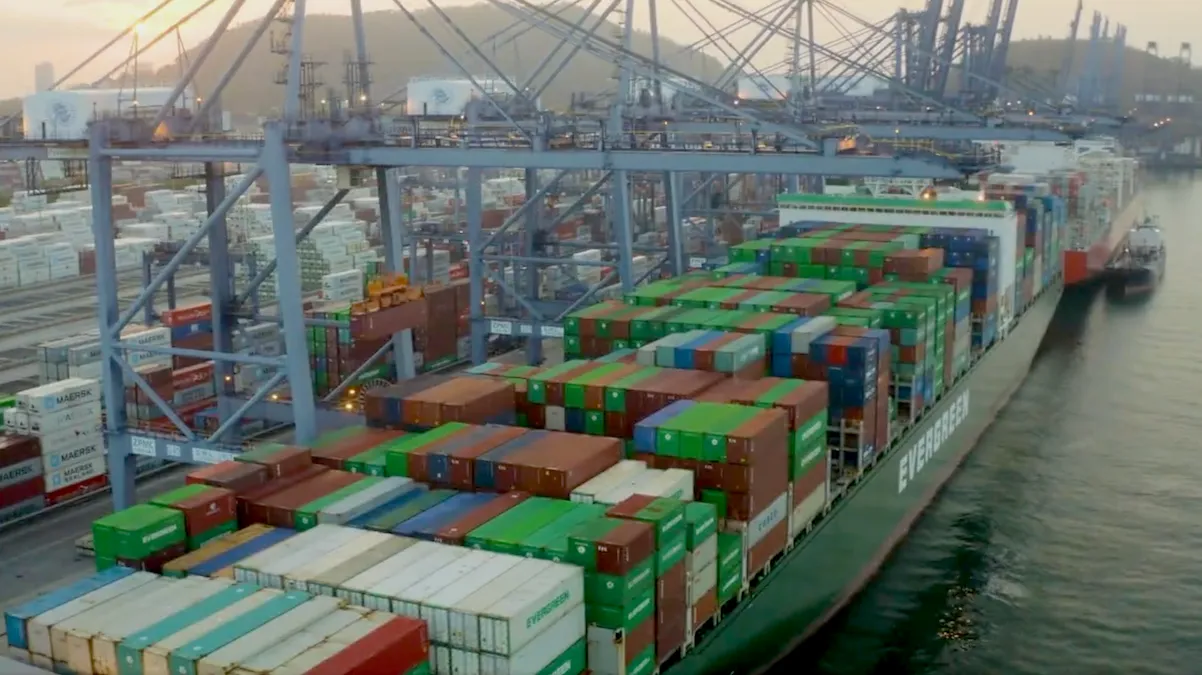
Panama targeted Canal ports contract, China company claims
A Panamanian court ruling voided major port contracts tied to a Chinese operator at both ends of the canal, creating legal and operational uncertainty. These ports are critical transfer points for global container flows, and even small disruptions could affect vessel scheduling and congestion patterns. The situation highlights how geopolitical tensions can quickly turn into logistics risk.
How resilient is your routing strategy to sudden changes at key global trade gateways?

Deere to open two facilities in $20B US manufacturing drive
Deere & Co. plans to open two new U.S. facilities as part of a $20 billion investment in domestic manufacturing. The expansion reflects continued reshoring momentum and is likely to shift freight demand toward inland production corridors. While production may move closer to end markets, many inputs will still be globally sourced, meaning freight flows won't shrink, just reroute. Shippers tied to industrial supply chains could see changes in regional volumes, mode mix, and warehouse strategy.
What would more U.S. manufacturing mean for your shipping network?
Read more on Supply Chain Dive
Watch this week's top stories ▶️
Subscribe to our YouTube channel for weekly freight and logistics insights.



In Other News:
Union Pacific, Wabtec sign for $1.2B in locomotive upgrades
Union Pacific and Wabtec signed a $1.2B locomotive modernization deal aimed at improving rail efficiency and reliability for shippers.
USPS last-mile bidding process: What shippers should know
The United States Postal Service launched a new DDU delivery bid portal, giving parcel shippers more visibility into last-mile contracting options.
Read more on Supply Chain Dive
How grocers are taking charge of food traceability requirements
The U.S. Food and Drug Administration is advancing stricter food traceability rules, raising data and compliance requirements across grocery supply chains.
Read more on Supply Chain Dive
Texas logistics real estate heats up with port, border-driven projects
Texas logistics real estate activity is accelerating, driven by port and border infrastructure growth that could expand regional distribution capacity.
Quiet Logistics dismantling continues with warehouse, customer transfer to Stord
E-commerce fulfillment provider Quiet Logistics continues winding down operations, with customers transitioning to Stord amid broader 3PL consolidation.