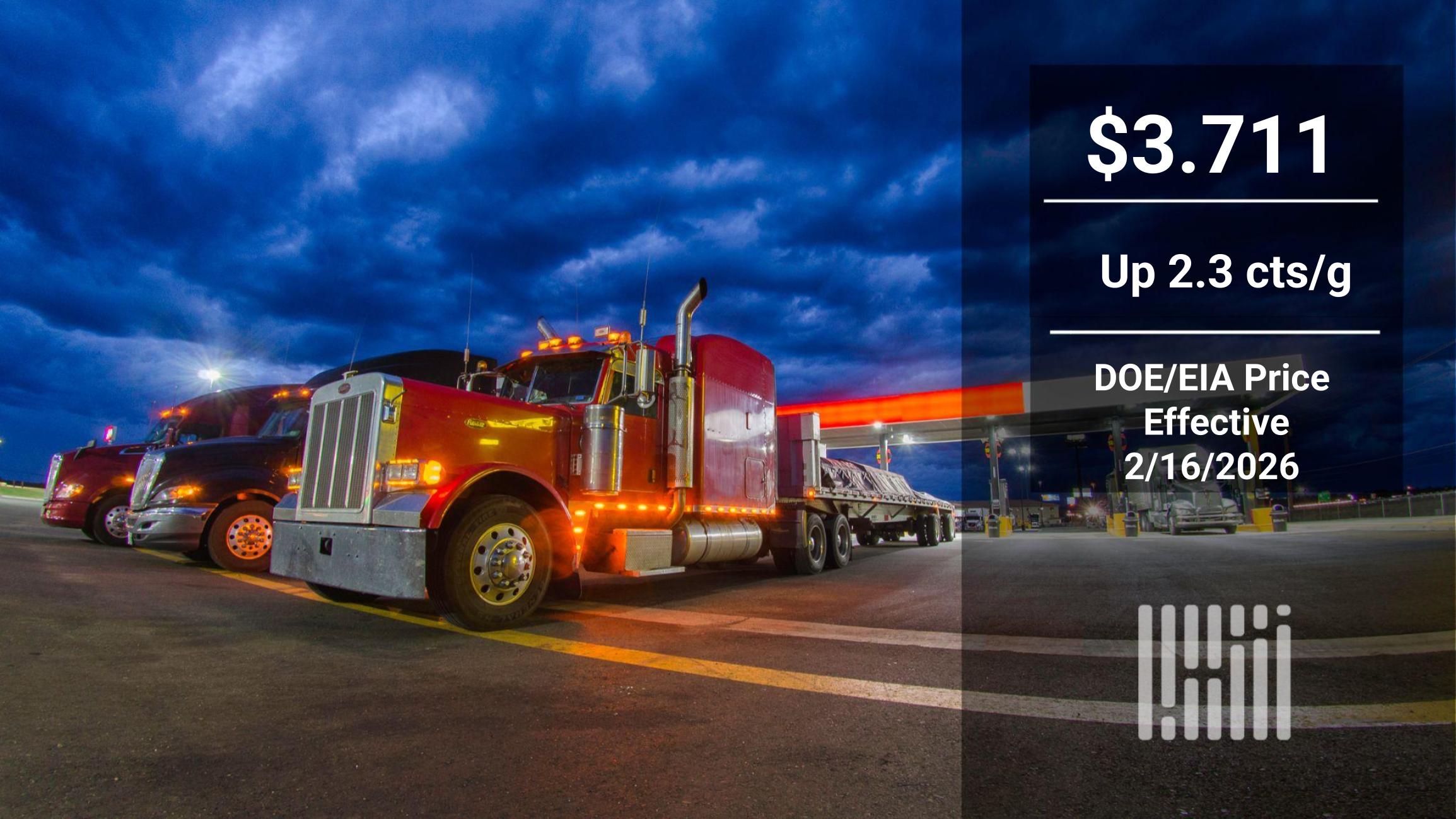
Logistics Pulse
Ocean Policy Shifts and Changing Import Trends

This week's top news in trucking and logistics
This week's headlines highlight broader shifts across the global freight landscape — from potential vessel fees to carrier consolidation and changing container volumes at the Port of Los Angeles. These are macro policy and market developments reshaping the transportation ecosystem. The common thread is repositioning: networks adjusting, trade flows recalibrating, and regulatory priorities evolving. For shippers, it's a timely moment to reassess contracts, routing strategies, and market exposure.
Top articles this week:
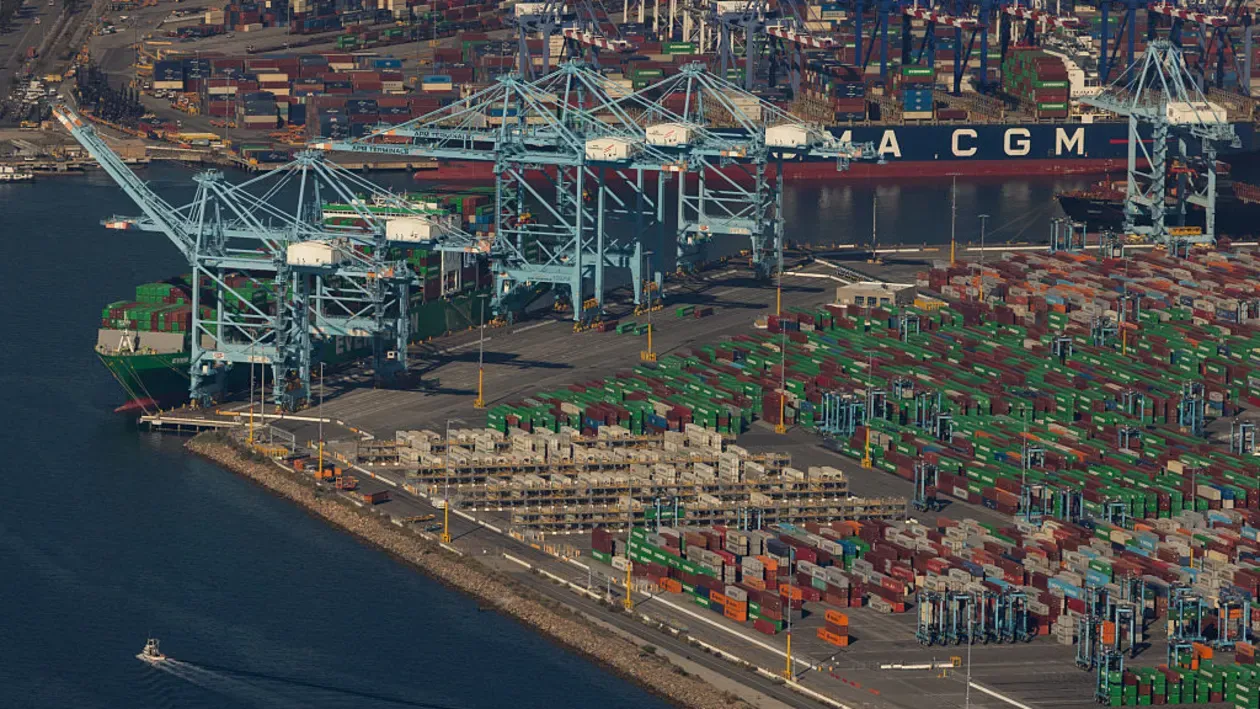
China container trade volumes shift at Port of Los Angeles
New data shows changes in China-related container flows at the Port of Los Angeles, reflecting evolving trade patterns and inventory strategies. Volume fluctuations are being closely watched as indicators of broader import demand and tariff positioning. Even modest changes in China-origin volumes can ripple through capacity, pricing, and chassis availability across Southern California. For shippers, these signals matter not just for rates, but for planning warehouse labor, drayage timing, and inland transportation capacity.
Are you planning based on current import trends — or last year's numbers?
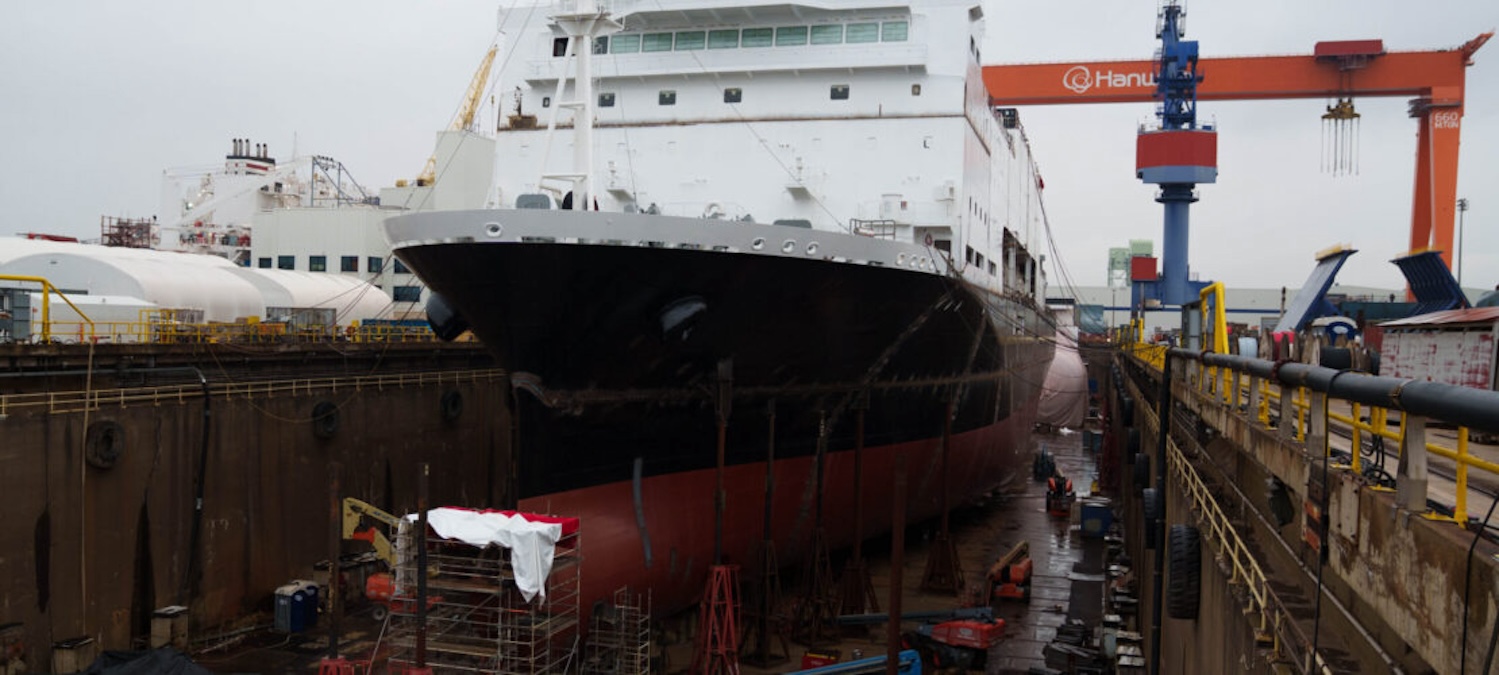
White House eyes fees on foreign vessels to fund shipbuilding
The White House is reportedly exploring new fees on foreign-flagged vessels calling at U.S. ports, with the goal of funding domestic shipbuilding capacity. While still under review, the proposal reflects a broader push toward maritime security and industrial policy. If implemented, the cost would likely flow through carriers and eventually to shippers via higher ocean rates or adjusted port charges. The impact would depend on how fees are structured — flat call fees vs. tonnage-based assessments would affect pricing dynamics differently. It could also influence carrier routing decisions or port call strategies.
If vessel fees are introduced, how exposed is your import strategy to ocean cost pass-through?
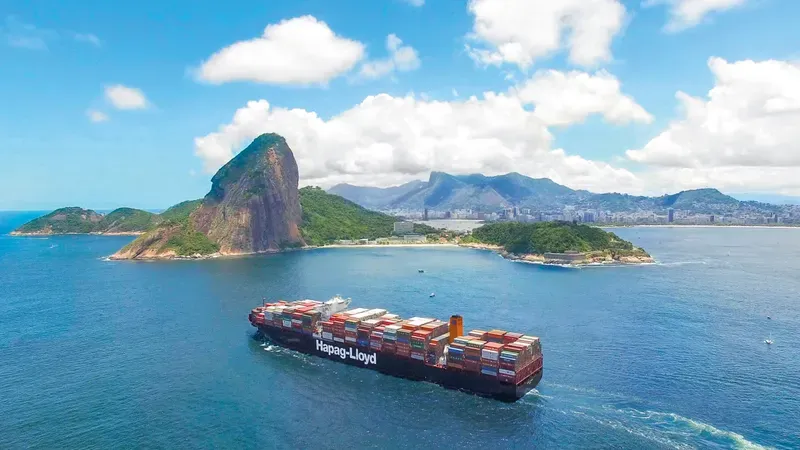
Hapag-Lloyd to acquire Zim in $4.2B deal
Hapag-Lloyd has agreed to acquire ZIM in a deal valued at approximately $4 billion, further consolidating the global container shipping landscape. The acquisition strengthens Hapag-Lloyd's position in key trade lanes and deepens its presence in trans-Pacific routes. For shippers, consolidation often signals stronger carrier pricing leverage and network rationalization over time. At the same time, larger networks can mean more integrated services and broader coverage. The long-term effect will depend on how aggressively capacity and service structures are optimized post-integration.
As ocean carriers consolidate, do you have enough backup options if service changes?
Read more on Supply Chain Dive
Watch this week's top stories ▶️
Subscribe to our YouTube channel for weekly freight and logistics insights.


In Other News:
Port of LA containers weaker on import lull
Recent data shows softer container imports tied to inventory normalization and seasonal adjustments, easing some short-term congestion pressure.
UPS identifies 22 package facilities for closure
UPS is restructuring parts of its parcel network, consolidating facilities as part of broader cost-efficiency initiatives that could affect regional transit times.
Union Pacific, Norfolk Southern set new date to re-file merger application
The two railroads plan to resubmit their merger proposal, continuing a long-running regulatory process that could reshape U.S. rail competition if approved.
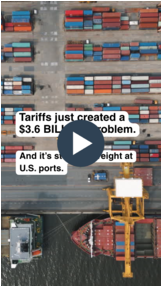
Trump tariffs leave importers with record-breaking $3.5 billion U.S. Customs bond funding shortfall
Recent tariff adjustments are driving increased customs bond requirements for importers, creating cash flow and compliance considerations.
Early Lunar New Year spurs air cargo volume boost
Air cargo demand shifted following Lunar New Year timing changes, with ecommerce and de minimis flows continuing to influence capacity dynamics.
Read more on Supply Chain Dive