Logistics Pulse


This week's top news in trucking and logistics
Global supply chains are navigating a mix of near-term relief and longer-term uncertainty. Tariff refunds are finally moving forward, offering potential cost recovery for importers, while oil markets remain volatile amid shifting geopolitical signals. At the same time, structural decisions—like limits on port automation—highlight how policy and labor dynamics continue to shape capacity and efficiency across the network.
Top articles this week:

CBP preps tariff refund portal for April 20 launch
CBP will begin processing tariff refunds on April 20, offering a path for importers to recover duties paid under prior trade actions. Eligibility depends on entry status, and refunds may take 45+ days—so while this is meaningful, it's not immediate relief. For high-volume importers, even partial refunds could improve near-term cash flow or offset elevated logistics costs. However, the process is documentation-heavy, and not all entries will qualify. Execution will matter just as much as policy rollout.
What role could tariff refunds play in offsetting ongoing cost pressures this year?
Read more on Supply Chain Dive

Top Energy Democrat probes Trump administration's preparations for Strait of Hormuz closure
Rising tensions around the Strait of Hormuz are raising the risk of disruptions to one of the world's most critical oil transit routes. Even partial constraints on flows are enough to drive volatility in global energy markets. For shippers, that uncertainty flows directly into diesel costs and overall transportation spend. At the same time, markets are reacting to mixed signals—including the possibility of renewed diplomatic talks—creating rapid swings in pricing. The result is a cost environment that remains highly unstable.
How are you planning for fuel cost volatility if conditions remain unpredictable?
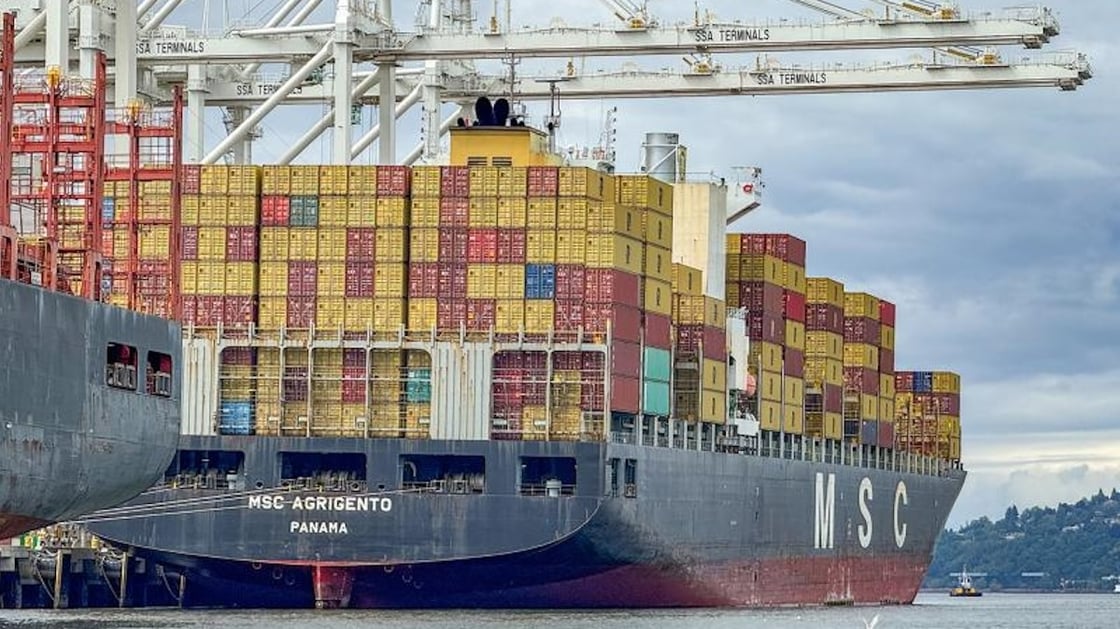
This U.S. state just banned public funding for port automation
Washington state's decision to ban public funding for port automation highlights growing tension between labor priorities and efficiency gains. While automation isn't eliminated, limiting funding could slow adoption and impact long-term port productivity. For shippers, this is less about immediate disruption and more about future reliability and throughput. It also reinforces that policy decisions will continue shaping capacity, not just market demand.
What would longer port delays mean for your business?
Watch this week's top stories ▶️
Subscribe to our YouTube channel for weekly freight and logistics insights.


In Other News:
Introducing a New Support Chat Experience: Faster Help, Full Context
Mothership launched a new support chat tied to each shipment, so teams get faster help with full context and shared visibility.
Average March volume was actually good news for the Port of Los Angeles
Port of Los Angeles volumes remained resilient in March, signaling steadier import demand than expected.
Georgia Ports Authority to open inland port, targeting manufacturers
Georgia Ports Authority is expanding inland capacity near Savannah to improve connectivity and ease congestion.
Read more on Supply Chain Dive
Oil prices steady as Hormuz shipping constraints counter US-Iran peace hopes
Oil prices dipped on expectations of renewed U.S.–Iran talks, though volatility remains elevated.
Norfolk Southern focuses on freight growth in latest partnership
Norfolk Southern is expanding short line partnerships to boost capacity and improve connectivity.
Read more on Supply Chain Dive
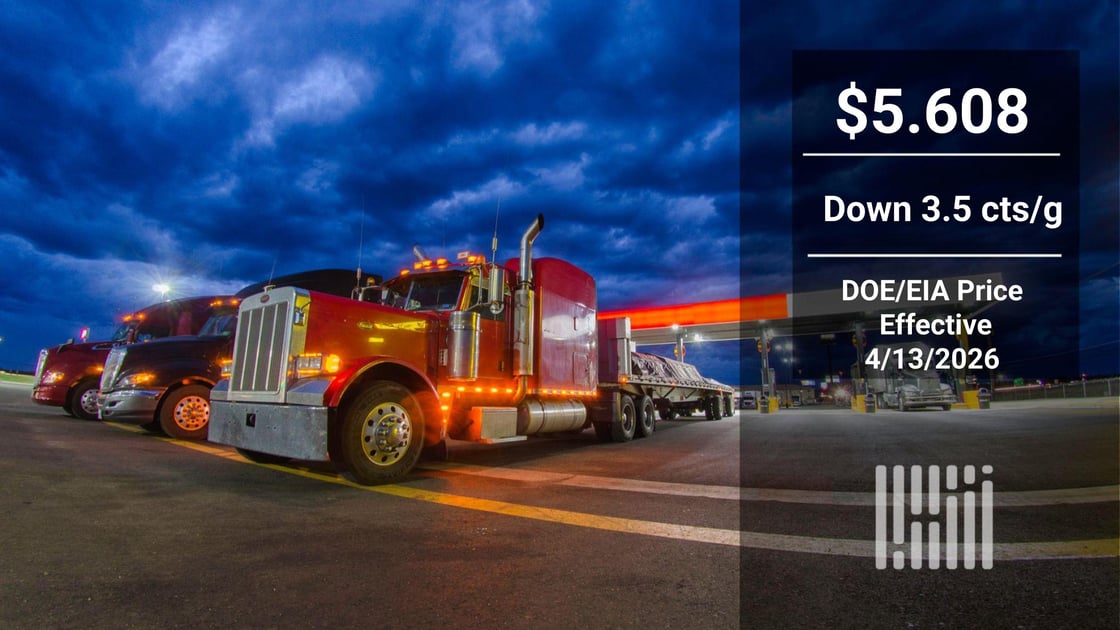
Benchmark diesel price ends its 12-week streak of increases