Logistics Pulse
U.S.–China Trade Talks, Port Congestion, and Fuel Costs

This week's top news in trucking and logistics
This week’s freight and logistics headlines all point toward the same challenge: shippers are balancing ongoing policy uncertainty with persistent network pressure and changing fulfillment strategies. Trade negotiations, port flow, infrastructure investment, and fuel costs continue shaping how freight moves heading into the second half of the year.
Mothership service update 🇺🇸
As Memorial Day weekend approaches, we honor all U.S. service members and veterans. In observance of the holiday, we will not service pickups on Monday, May 25th. Service will resume on Tuesday, May 26th.
Top articles this week:

US and China to establish trade board, tout agriculture commitments
The U.S. and China agreed to establish a new trade board while continuing discussions around agriculture, rare earths, and market access. While the announcement signals improving communication, major trade and tariff questions remain unresolved. For shippers, sourcing flexibility and scenario planning remain critical as negotiations continue evolving.
How are changing trade policies influencing your sourcing strategy this year?
Read more on Supply Chain Dive
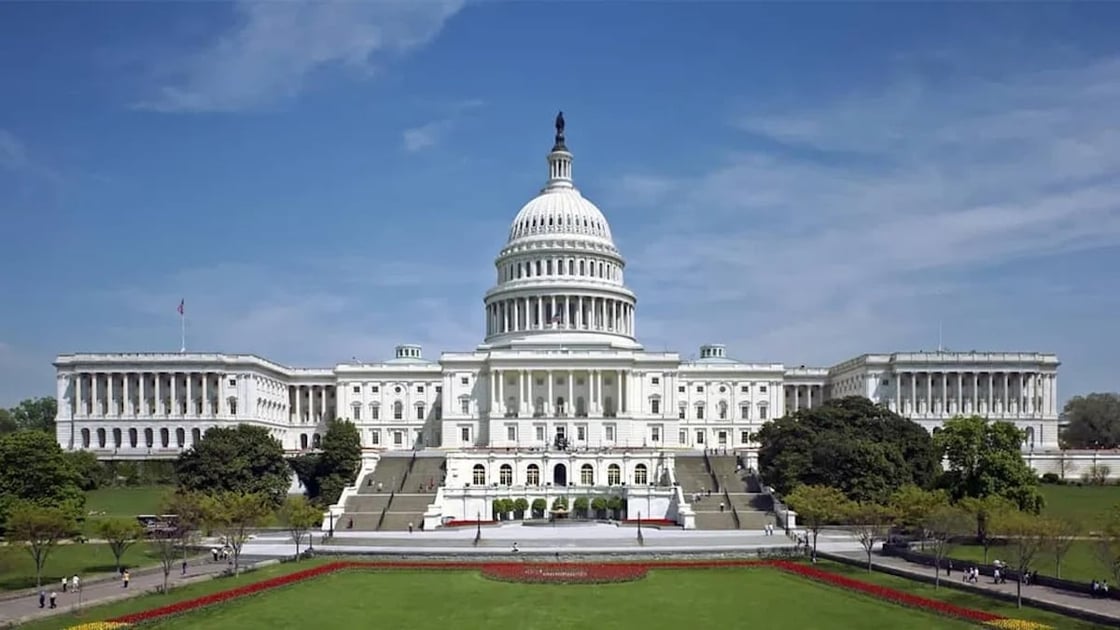
Transportation bill sets $240B for major modes
A proposed federal transportation bill would direct roughly $240 billion toward highways, rail, ports, airports, and transit infrastructure. The investment highlights how freight reliability and network capacity are becoming larger national priorities. While long-term improvements could strengthen supply chain efficiency, near-term infrastructure bottlenecks remain a challenge across many freight corridors.
Where are infrastructure constraints having the greatest impact on your supply chain today?
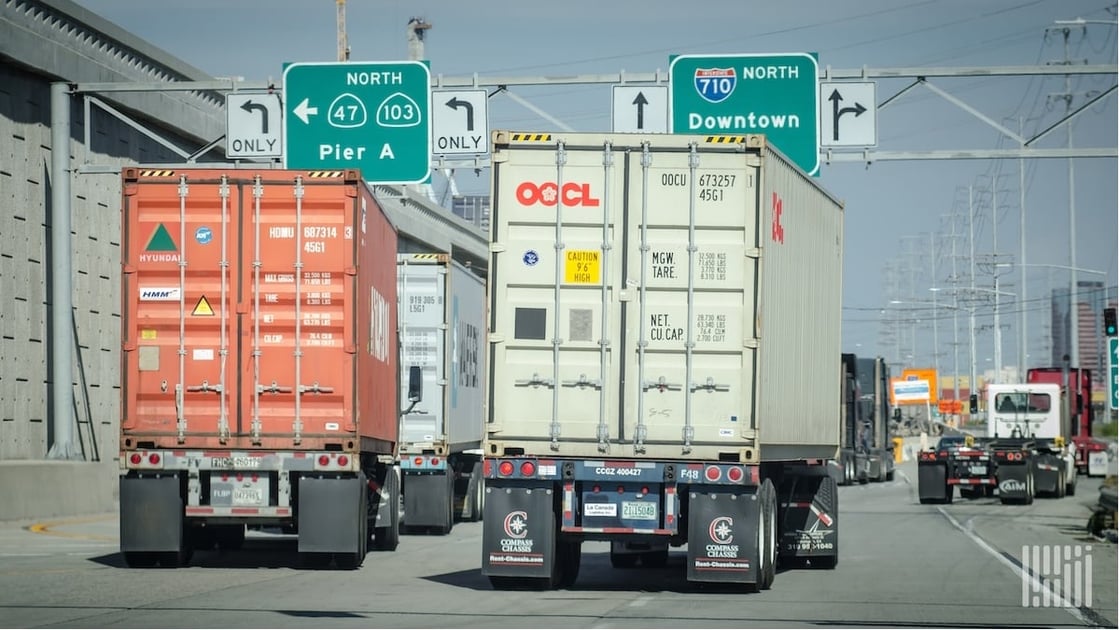
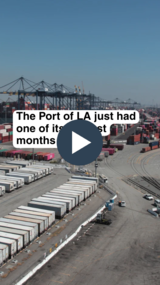
Truck dwell holds, rail up at LA-Long Beach
Rail-bound containers at the LA/Long Beach port complex saw dwell times increase in April, while truck dwell remained relatively stable. The shift shows how congestion pressure can move unevenly across modes, even when overall port activity appears healthy. For importers relying on intermodal freight, inland rail flow remains an important area to monitor closely.
What strategies are helping your team stay ahead of changing port and intermodal conditions?
Watch this week's top stories ▶️
Subscribe to our YouTube channel for weekly freight and logistics insights.

In Other News:
Maersk back in the Red Sea: Drewry
Maersk resumed more Red Sea transits as Suez Canal traffic continues recovering. The shift could help improve ocean capacity and transit times if stability holds.
Borderlands Mexico: Cross-border trade tops $84B in March as USMCA talks heat up
Mexico remained the top U.S. trading partner in March as cross-border freight volumes stayed strong amid ongoing USMCA discussions.
Havertys Furniture battles rising fuel costs across supply chain
Havertys said rising fuel costs continue pressuring transportation and delivery operations across its supply chain.
Read more on Supply Chain Dive
Target names former Walmart executive as chief supply chain officer
Target appointed former Walmart executive Jeff England as its new chief supply chain officer, reinforcing retailers’ continued focus on logistics execution.
DavidsTea sets up US fulfillment after de minimis’ end raises shipping hurdles
DavidsTea launched U.S. fulfillment operations after de minimis changes increased cross-border shipping costs and complexity.
Read more on Supply Chain Dive