Logistics Pulse


This week's top news in trucking and logistics
This week’s logistics environment reflects a combination of near-term disruptions and ongoing structural shifts. Weather, ocean routing decisions, and trade policy updates are influencing freight movement across regions and modes. For shippers, these developments reinforce the importance of flexibility and clear planning as conditions continue to evolve.
Top articles this week:
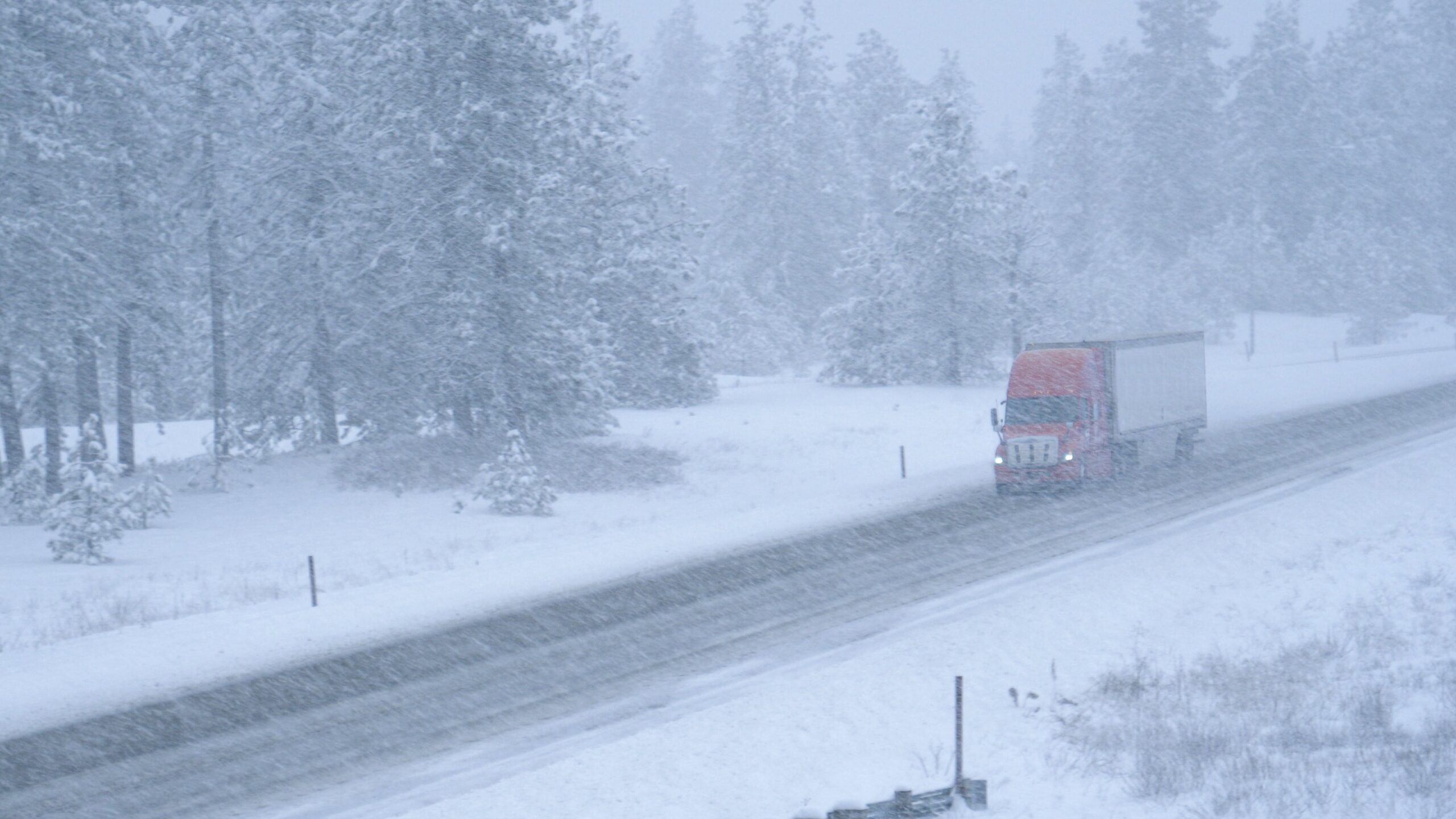
Winter storm set to hammer U.S. transportation networks
A major winter storm is expected to disrupt freight movement across large portions of the U.S., affecting highways, rail corridors, and air cargo hubs simultaneously. Unlike more localized weather events, this system spans multiple regions, increasing the likelihood of cascading delays and capacity tightening across modes. Carriers may preemptively reduce service levels, while transit times could stretch unpredictably as conditions evolve. For shippers, the challenge isn’t just weather delays — it’s the knock-on effects as networks struggle to rebalance once conditions clear. This is another reminder that winter resilience depends on proactive planning, not last-minute rerouting.
How much buffer have you built into pickup windows and delivery commitments this week?

Trump reverses tariff threat on European countries
The U.S. decision to drop certain tariffs on European countries following NATO discussions signals a potential shift in transatlantic trade dynamics. While details and timelines still matter, any easing of tariff pressure could reshape sourcing decisions, order timing, and import volumes in the near term. For shippers, this creates both opportunity and uncertainty — especially if trade policy changes outpace operational readiness. Sudden shifts can trigger front-loaded demand, port congestion, or unexpected rate pressure. As always, policy headlines move faster than physical supply chains.
How quickly could your sourcing and transportation strategy adapt if trade rules change again this quarter?
Read more on Supply Chain Dive

Major container carrier reverses course on Red Sea return
A major ocean carrier has reversed its plans to return vessels to the Red Sea, underscoring how fragile global shipping routes remain. Despite earlier optimism, security risks continue to force carriers into longer diversions around the Cape of Good Hope, extending transit times and absorbing capacity. These decisions ripple far beyond ocean freight, influencing port congestion, intermodal flows, and inland trucking demand weeks later. For importers, schedule reliability remains the biggest casualty, even when rates stabilize. The takeaway is clear: routing assumptions made just weeks ago may already be outdated.
Are your ocean-to-inland plans flexible enough to absorb sudden routing reversals?
Watch this week's top stories ▶️
Subscribe to our YouTube channel for weekly freight and logistics insights.


In Other News:
What happens if Dallas gets iced in?
Ice storms in Dallas can shut down a major freight hub, causing delays and tight capacity across the region.
Echo Global Logistics acquires ITS Logistics to create $5.4 billion combined entity
The acquisition highlights continued consolidation in logistics, which could affect pricing and service options for shippers.
Long Beach volume to double to 20M containers by 2050
Long-term growth plans point to more investment in port, rail, and inland infrastructure on the West Coast.
Taiwan says it will lead 'democratic' high-tech supply chain with US
The move signals deeper U.S.–Asia alignment in technology manufacturing and supply chains.
Danone invests $4M to expand Texas plant amid yogurt boom
The expansion reflects steady consumer demand and signals incremental regional freight growth tied to food and beverage manufacturing.
Read more on Supply Chain Dive
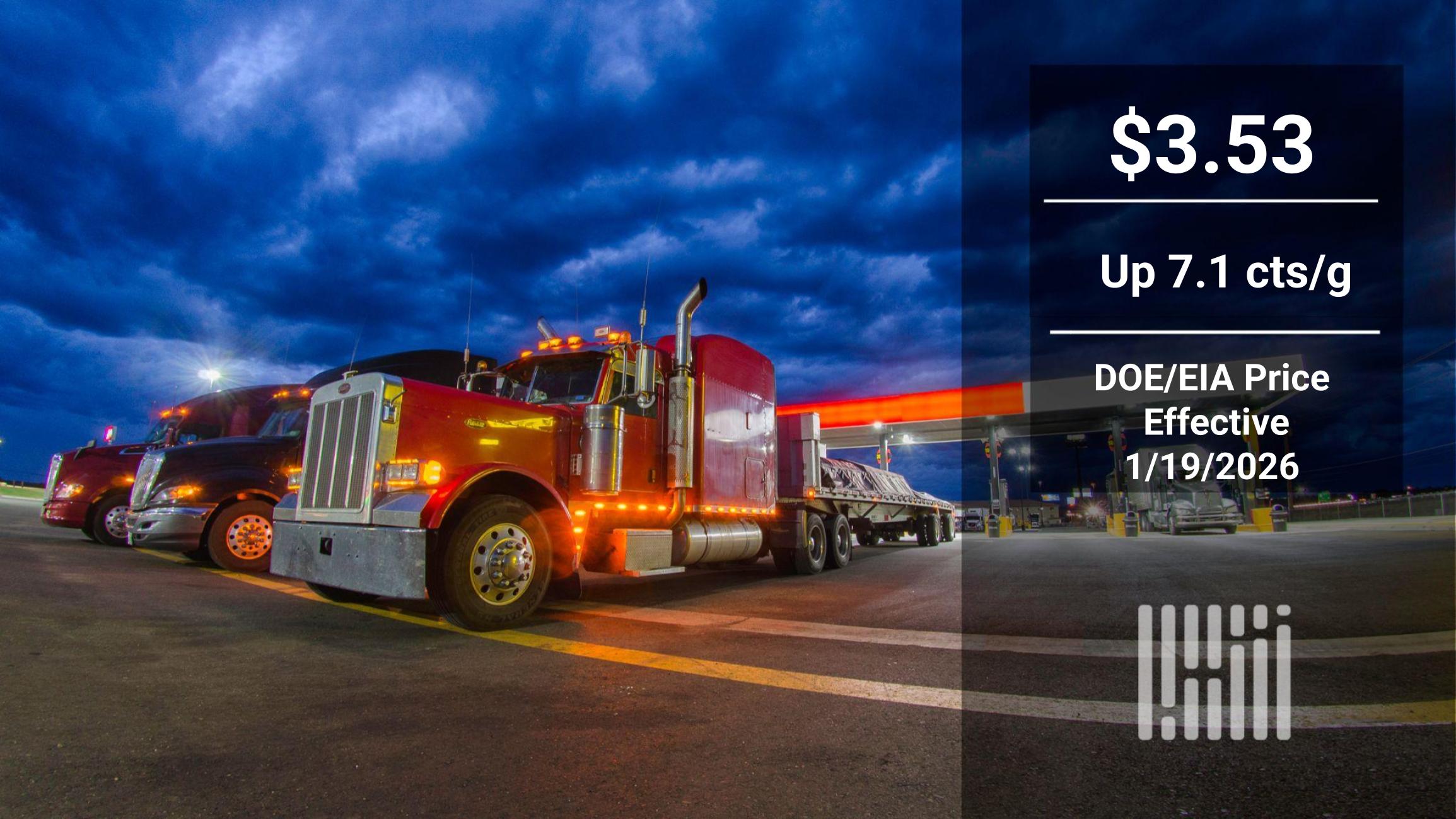
Benchmark diesel price rises after eight weeks of declines