Logistics Pulse


This week's top news in trucking and logistics
Freight markets are being shaped by a mix of short-term policy decisions and longer-term structural shifts. Capacity is being added back in some areas while tightening in others, pricing signals remain highly sensitive to global disruptions, and regulatory interpretation is starting to play a bigger role in how networks operate day to day. For shippers, the challenge isn’t just reacting to change — it’s understanding where flexibility exists and where risk is building beneath the surface.
Top articles this week:
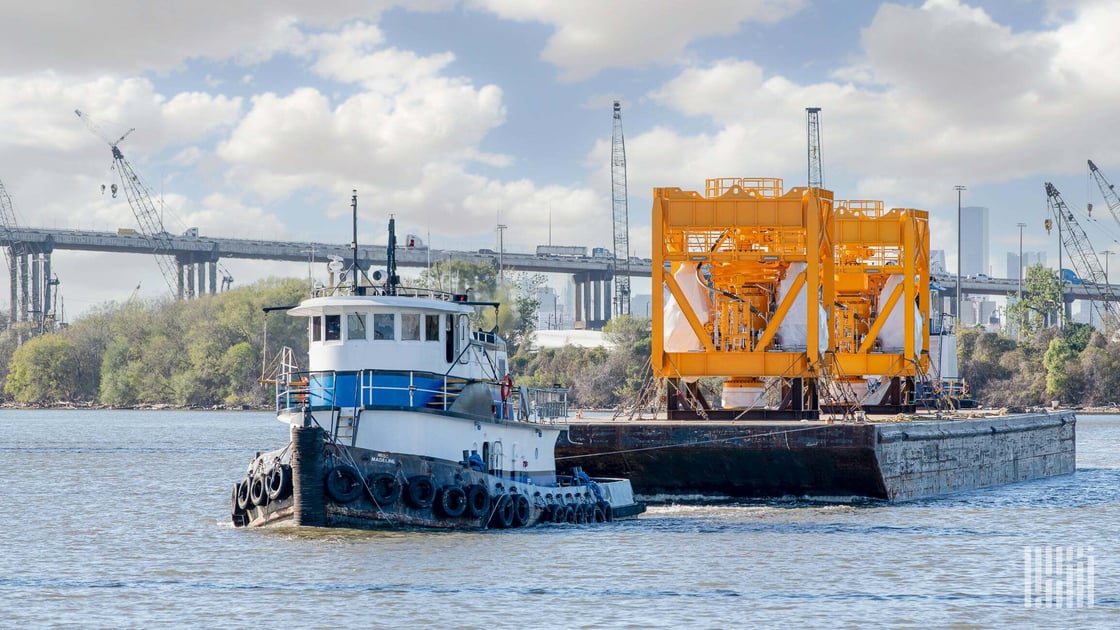
Trump extends Jones Act waiver for 90 days
The Trump administration has extended the Jones Act waiver for another 60 days, allowing foreign-flagged vessels to move fuel between U.S. ports. The move signals that domestic capacity alone may still not be enough to meet current demand. While this adds short-term flexibility, it also reinforces how quickly policy can reshape available capacity. If the waiver changes or expires, routing and pricing dynamics could shift just as fast. For shippers, this is a reminder that regulatory decisions are actively influencing network conditions.
How dependent is your network on temporary policy-driven capacity?
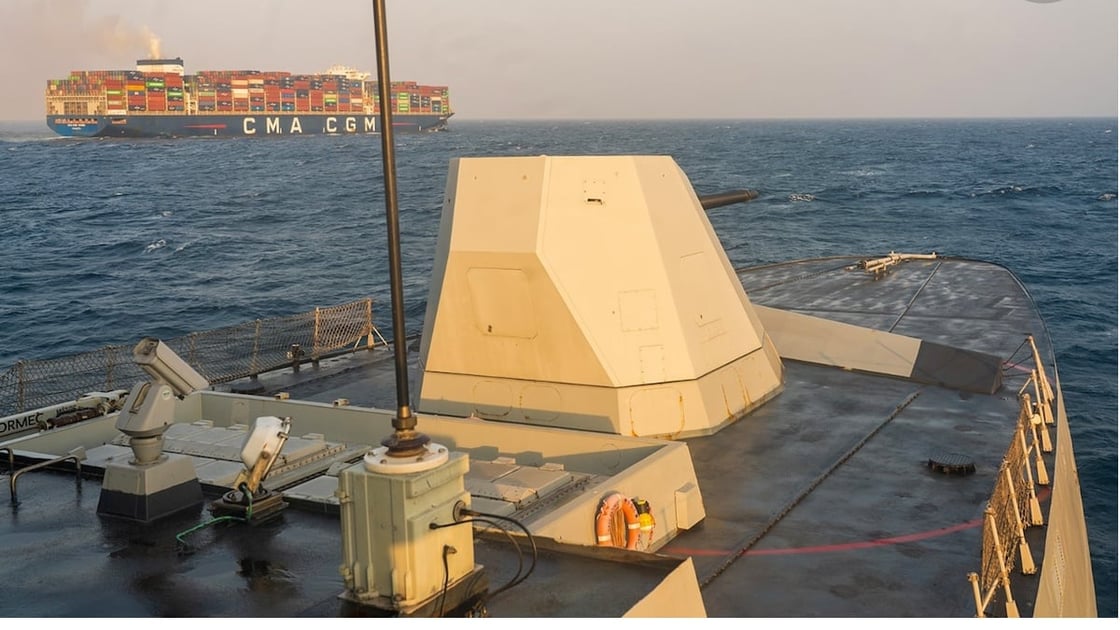
The Iran conflict sent Asia-US shipping rates soaring thousands of miles away. Here’s why.
Shipping rates between Asia and the U.S. jumped following renewed tensions near the Strait of Hormuz, despite the disruption occurring far from the transpacific lane. The spike highlights how quickly global risk can ripple across pricing, even without direct route impacts. Carriers adjusted capacity and pricing expectations as uncertainty increased, pushing spot rates higher. For shippers, this reinforces how external shocks can influence procurement timing and transportation costs. Volatility is no longer contained to specific regions.
Are your strategies built to absorb pricing shocks that originate outside your core lanes?

$73 million at stake: New York challenges DOT’s non-domiciled CDL ruling
New York is challenging a ruling from the Federal Motor Carrier Safety Administration that found the state out of compliance on non-domiciled CDLs, putting up to $73 million in funding at risk. The dispute centers on how eligibility standards are being interpreted and enforced. If upheld, the ruling could tighten compliance requirements and impact driver availability. For shippers, that introduces potential capacity constraints and added operational scrutiny. It’s a clear example of how enforcement shifts can affect networks in real time.
Are your compliance processes prepared for changes in how rules are enforced?
Watch this week's top stories ▶️
Subscribe to our YouTube channel for weekly freight and logistics insights.


In Other News:
FedEx prepares to reactivate grounded MD-11 fleet in May
FedEx is reactivating part of its MD-11 cargo fleet, signaling stronger air freight demand and the need for added capacity.
Port Houston March rebound pushes Q1 volumes past 1M TEUs
Volumes at Port Houston rebounded in March, pushing Q1 totals higher and pointing to steady Gulf Coast demand.
UPS to close 27 additional parcel facilities in 2026
UPS will close 27 more facilities in 2026 as it continues optimizing its network for efficiency.
GM forecasts $500M tariff refund, plans further mitigation efforts
General Motors expects up to $500M in tariff refunds while continuing to adjust its supply chain strategy.
Read more on Supply Chain Dive
Amazon Web Services unveils agentic AI supply chain tool
Amazon Web Services launched a new agentic AI tool aimed at automating supply chain planning and decisions.
Read more on Supply Chain Dive
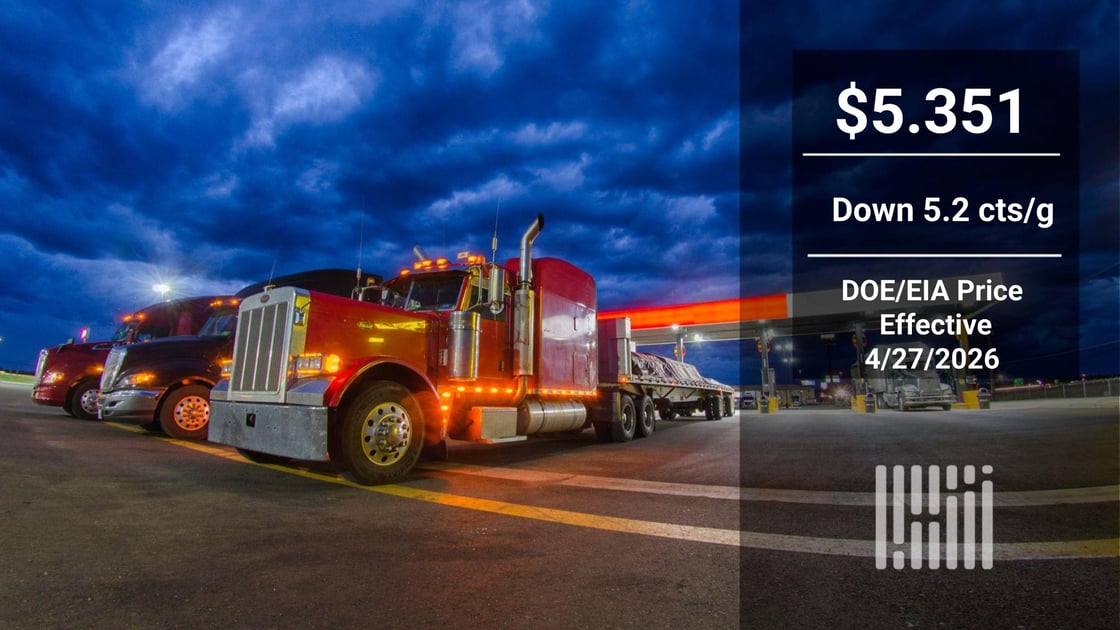
Third straight decline in benchmark diesel as futures trend higher